
How can heat be treated by adding fire? An article from the Chengdu University of Chinese Medicine explains the...
Tout
Latest posts
-
 Moxibustion on Yong Quan (KI 1) to guide the fire back to its sourceRead more
 -
 Moxibustion for insomniaRead more
Shi Mian and An Mian 4, two little-known points to warm with a moxa stick in the evening to re-anchor the yang and...
-
 Moxibustion: Summer or Winter, When Should You Really Practise?Read more
As a moxa retailer, I notice a spike in orders every winter — even though the classical texts of Chinese medicine...
-
 Introduction to moxibustion techniquesRead more
Introduction to moxibustion techniques Moxibustion is practised using several techniques. Some are simple and can be...
-
 Safety of moxa smokeRead more
Moxa smoke: understanding scientific data without confusion Moxibustion involves the combustion of dried mugwort...
-
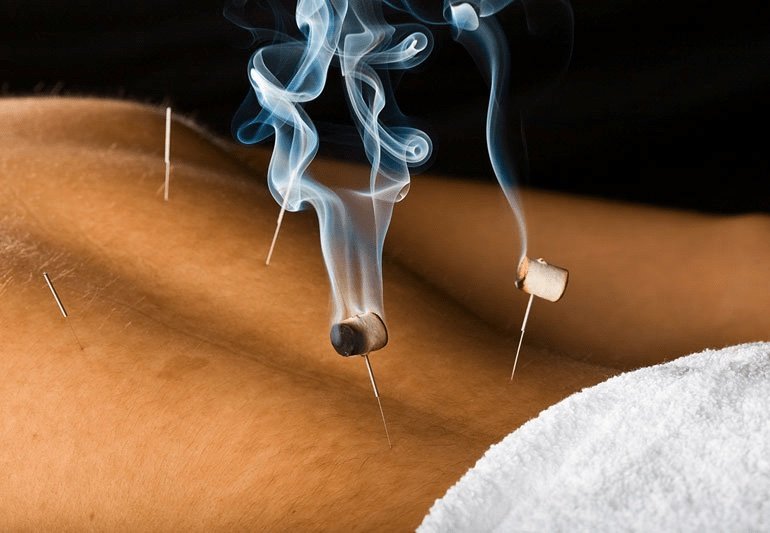 Needle moxibustion: choosing the right equipmentRead more
Needle moxibustion: choosing the right equipment The warm-needle technique (needle moxibustion) rests on a balance...
-
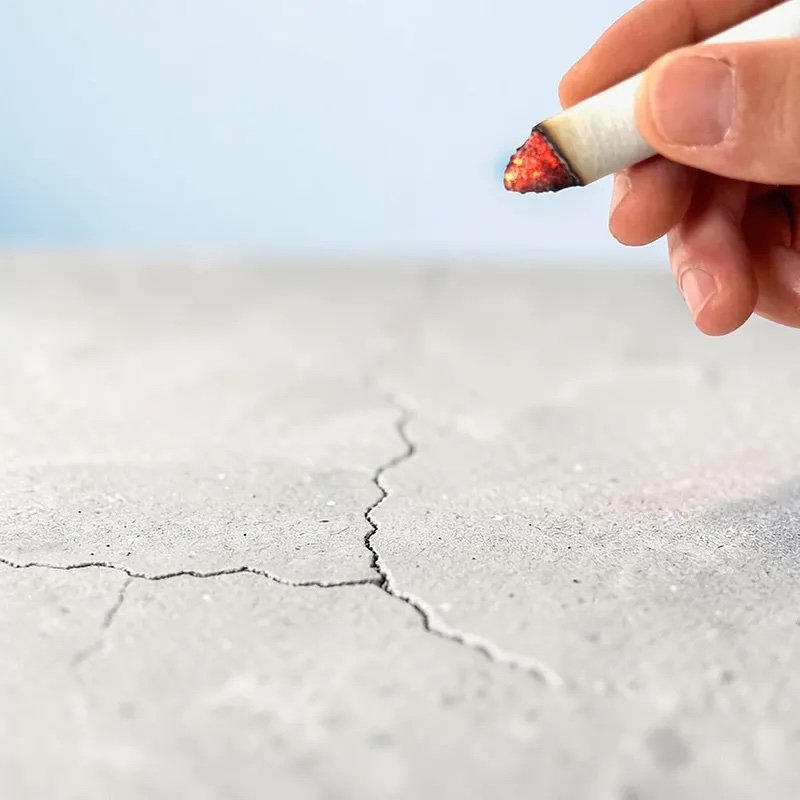 How to practise moxibustion at homeRead more
Moxibustion is a technique from Traditional Chinese Medicine (TCM) that involves stimulating precise points on the...
-
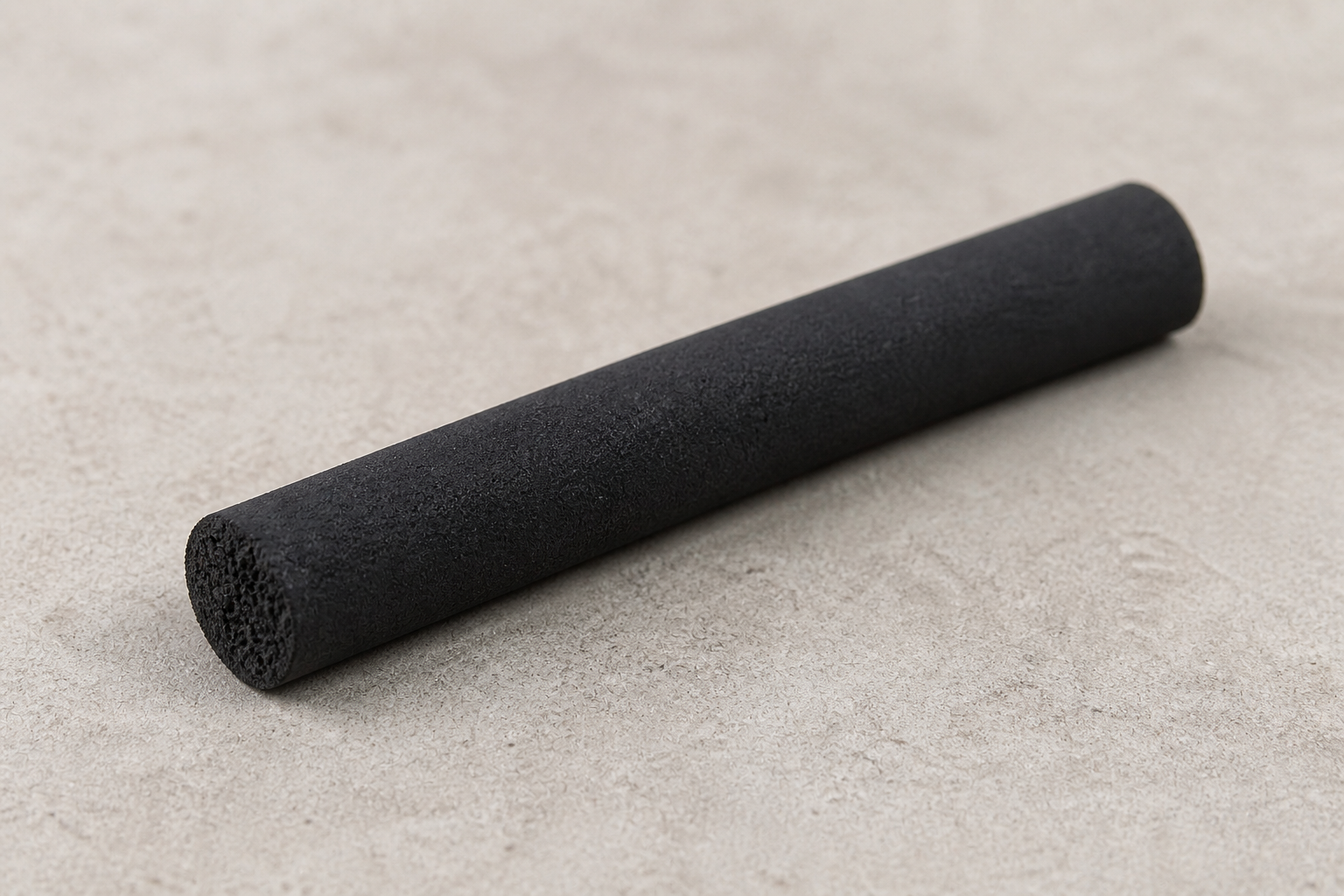 Smokeless moxa: why it is less effective than traditional moxaRead more
Why we do not recommend smokeless moxa Therapeutic efficacy and a coherent choice Smokeless moxa is today widely...
Blog categories
Search in blog
Archived posts
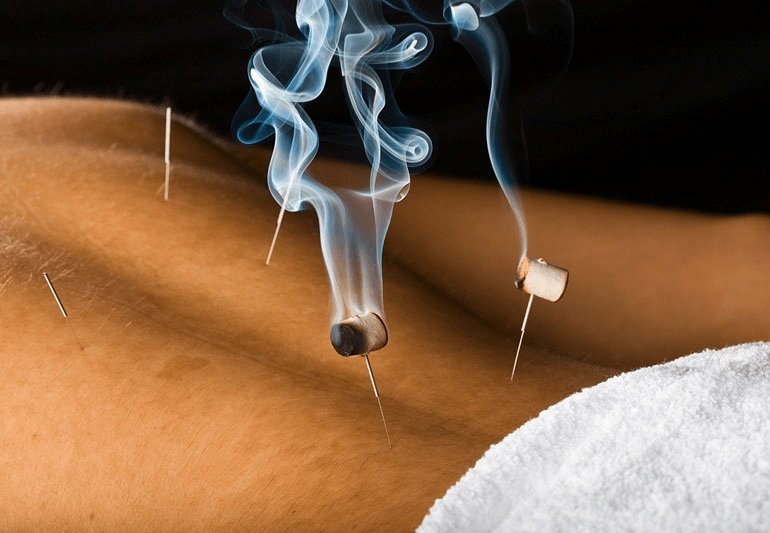
Needle moxibustion: choosing the right equipment
Needle moxibustion: choosing the right equipment
The warm-needle technique (needle moxibustion) rests on a balance between safety, thermal conduction and clinical efficacy. The choice of equipment directly influences the quality of thermal stimulation and the associated risks. This article offers an analysis based on available scientific data.
1. Silicone: a debated safety profile
A 2010 study concluded that silicone-coated needles are biologically safe in moxibustion. However, its experimental conditions diverge from real clinical practice:
- Moxa was not applied directly to the handle
- Measured temperatures did not exceed 111°C
- No analysis of silicone degradation at high temperatures
In practice, temperatures are significantly higher, which limits the scope of these conclusions.
Source: The Biological Safety of Stainless Steel Needles Used in Warm-Needling (2010)
2. Why to avoid silicone coating
During needle moxibustion, the handle can reach 400 to 700°C, with approximately 310 to 320°C at the handle/shaft junction.
Medical silicone generally resists up to approximately 185–230°C in continuous use. Since this limit is exceeded, several phenomena may be expected:
- Thermal degradation of the material
- Release of microscopic residues
- Emission of potentially irritating fumes
These risks remain theoretical in this specific context, but are based on known physicochemical data.
Source (warm-needling temperatures): On the Hazard Caused by the Heat of Acupuncture Needles in Warm Needling (2013)
Source (silicone): Silicone Biomaterials: History and Chemistry (2004)
A clinical case (2020) reports a cutaneous granuloma linked to the presence of silicone, appearing several years after acupuncture sessions. Although rare, this type of reaction underlines the value of limiting potentially residual materials.
Source: Periorbital Silicone Granulomatosis 30 Years after Acupuncture (2020)
3. Thermal conduction: copper vs stainless steel
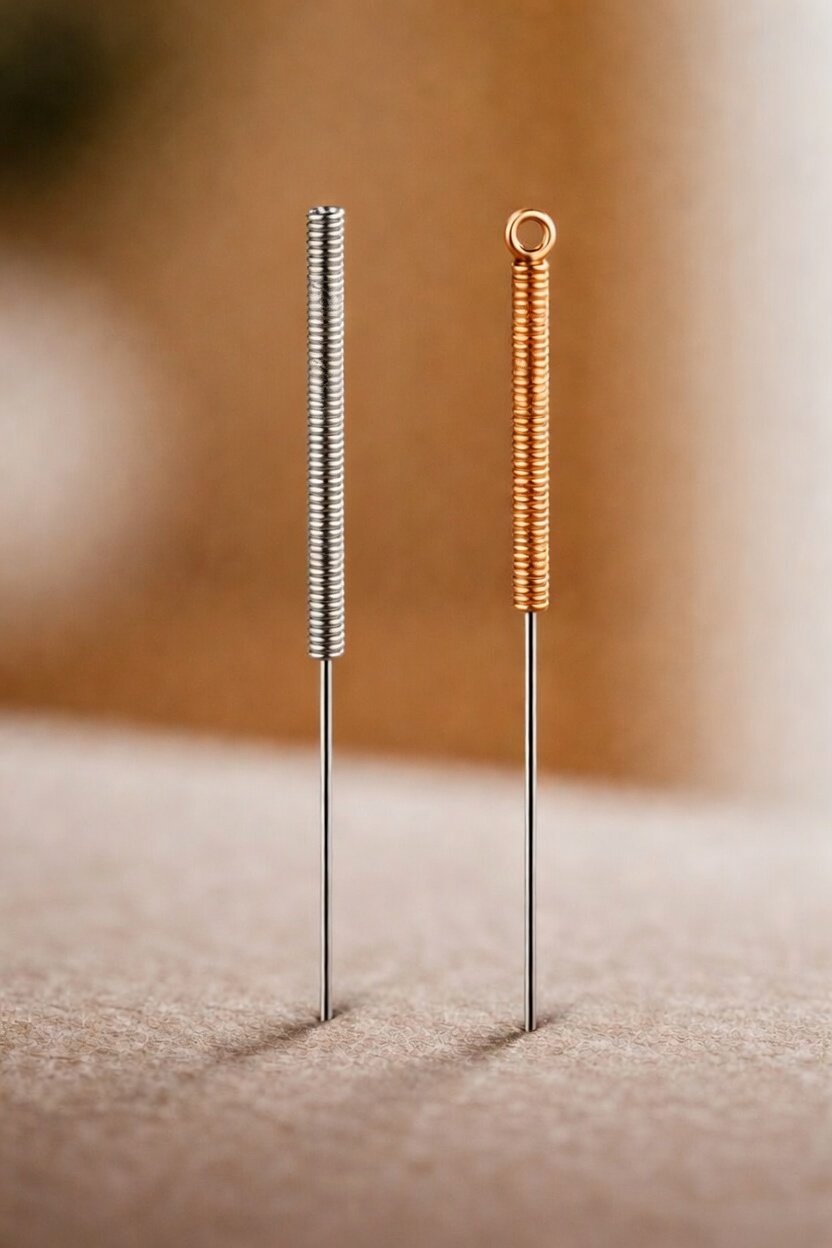
Copper has a thermal conductivity 20 to 25 times higher than that of stainless steel, close to that of silver.
This property promotes rapid heat transmission along the needle. A study on heat transfer confirms that highly conductive materials improve heat diffusion.
Source: Evaluation of Heat Transfer in Acupuncture Needles (2015)
A clinical study on silver needles (2019) shows superior efficacy in warm needling. Copper, whose conductivity is close, could present similar properties, although this has not been formally demonstrated.
Source: Silver-needle warm acupuncture efficacy (2019)
In practice, high conductivity promotes faster heat transfer to the tissues. The clinical effect, however, depends on multiple factors: type of moxa, combustion, distance to the skin and duration of exposure.
4. Observed temperatures and thermal effect
| Zone | Stainless steel | Copper |
|---|---|---|
| Top of handle | 344 – 375°C | N/A |
| Handle / shaft junction | 310 – 320°C | N/A |
| Skin contact | ≈ 41.7°C | ≈ 46.6°C |
| Stimulation duration | Standard | Potentially longer |
The high temperatures observed at the handle and junction confirm the material's exposure to significant thermal stresses.
Data for copper are not detailed in available studies for these zones. However, measurements at skin contact suggest more effective thermal transmission.
It is important to note that the perceived temperature and clinical effect also depend on other factors: type of moxa, combustion, distance to the skin and duration of exposure.
5. Length and needle selection
A distance of approximately 3.5 cm between the moxa and the skin offers a good compromise between thermal efficacy and safety.
- Superficial insertion (0.5 to 1 cm): 25 mm needles
- Deeper insertion: 40 mm needles (recommended)
Diameter plays a more mechanical than thermal role:
- Minimum: 0.25 mm
- Ideal: 0.30 mm for better stability
Source: Safety of different distances in warm-needling moxibustion
6. Safety precautions
The handle can reach 300 to 400°C, and a moxa cone typically burns for 5 to 12 minutes.
- Wait for the moxa to be completely extinguished before removal (it may remain incandescent)
- Use a moxa spatula, never fingers
- Monitor the area continuously throughout the entire stimulation
7. Purchasing and traceability
Needles are predominantly manufactured in Asia but must comply with European standards (class IIa medical devices).
It is recommended to favour a European supplier to guarantee:
- Traceability and regulatory compliance
- Liability in the event of a problem
- Transparency regarding composition
Labels to check for:
- Silicone-free
- Uncoated
- No coating
The absence of clear information (notably on certain marketplaces) should be regarded as a warning signal.
Conclusion
- Silicone-free needles to limit potential risks
- Copper handle for efficient thermal conduction
- Length adapted to insertion depth
- Diameter ≥ 0.25 mm for moxa stability
The choice of equipment directly influences the safety and quality of thermal stimulation. Rigorous selection, based on technical criteria and scientific data, is essential in practice.
Scientific sources
- The Biological Safety of Stainless Steel Needles Used in Warm-Needling (2010)
- On the Hazard Caused by the Heat of Acupuncture Needles (2013)
- Evaluation of Heat Transfer in Acupuncture Needles (2015)
- Silver-needle warm acupuncture efficacy (2019)
- Periorbital Silicone Granulomatosis (2020)
- Silicone Biomaterials (2004)
- Safety of different distances in warm-needling moxibustion
Posted in:
Default category
Related posts
-
How to practise moxibustion at home
Moxibustion is a technique from Traditional Chinese Medicine (TCM) that involves stimulating precise points on the...Read more
-
Introduction to moxibustion techniques
Introduction to moxibustion techniques Moxibustion is practised using several techniques. Some are simple and can be...Read more
-
Moxibustion: Summer or Winter, When Should You Really Practise?
As a moxa retailer, I notice a spike in orders every winter — even though the classical texts of Chinese medicine...Read more
-
Moxibustion for insomnia
Shi Mian and An Mian 4, two little-known points to warm with a moxa stick in the evening to re-anchor the yang and...Read more
-
Moxibustion on Yong Quan (KI 1) to guide the fire back to its source
How can heat be treated by adding fire? An article from the Chengdu University of Chinese Medicine explains the...Read more
Leave a comment