How can heat be treated by adding fire? An article from the Chengdu University of Chinese Medicine explains the...
Tout
Latest posts
-
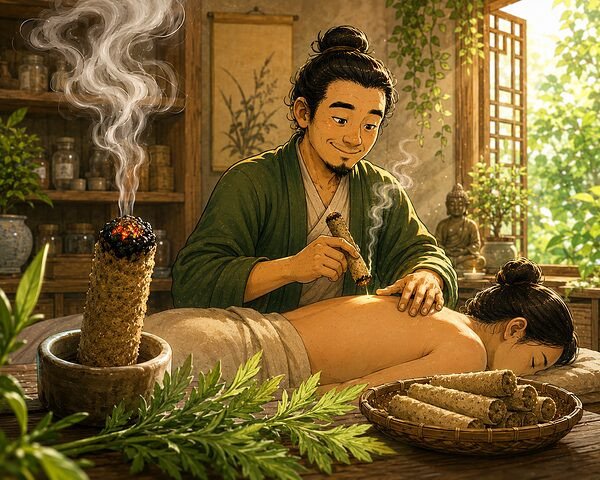 Moxibustion on Yong Quan (KI 1) to guide the fire back to its sourceRead more
 -
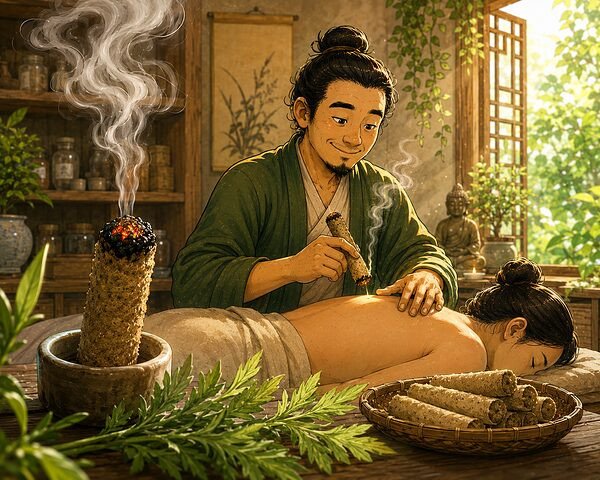 Moxibustion for insomniaRead more
Shi Mian and An Mian 4, two little-known points to warm with a moxa stick in the evening to re-anchor the yang and...
-
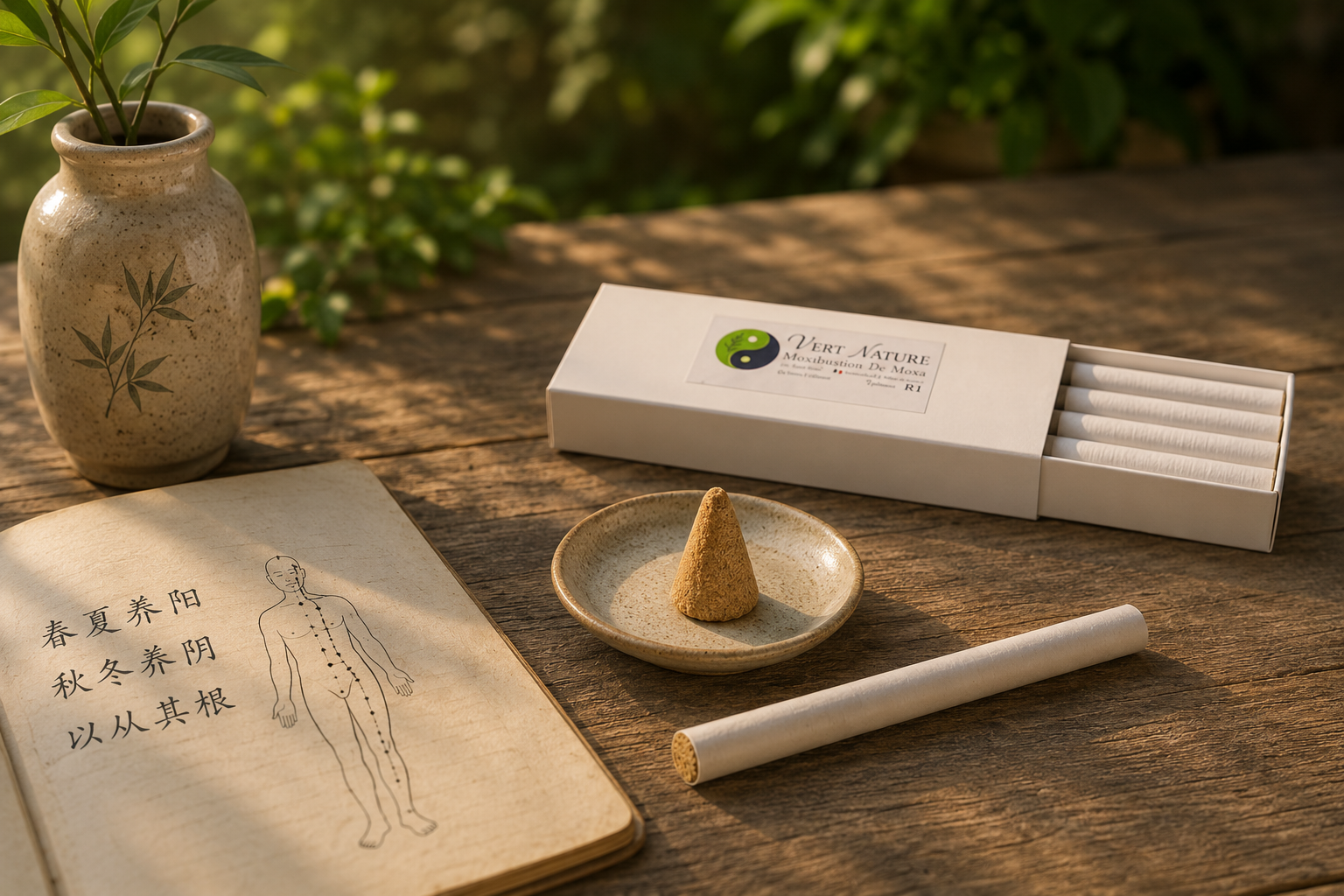 Moxibustion: Summer or Winter, When Should You Really Practise?Read more
As a moxa retailer, I notice a spike in orders every winter — even though the classical texts of Chinese medicine...
-
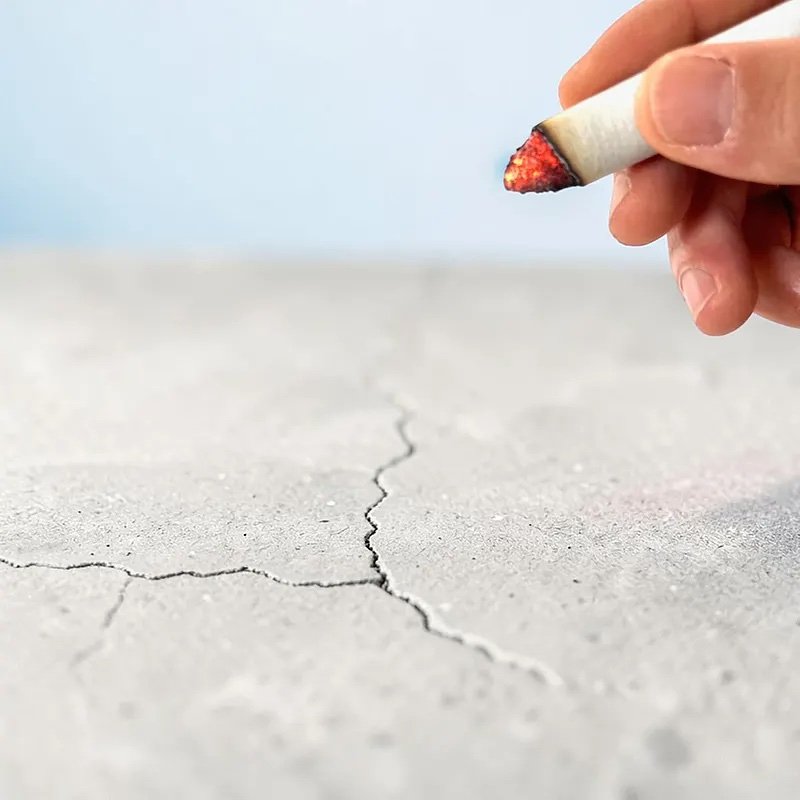 Introduction to moxibustion techniquesRead more
Introduction to moxibustion techniques Moxibustion is practised using several techniques. Some are simple and can be...
-
 Safety of moxa smokeRead more
Moxa smoke: understanding scientific data without confusion Moxibustion involves the combustion of dried mugwort...
-
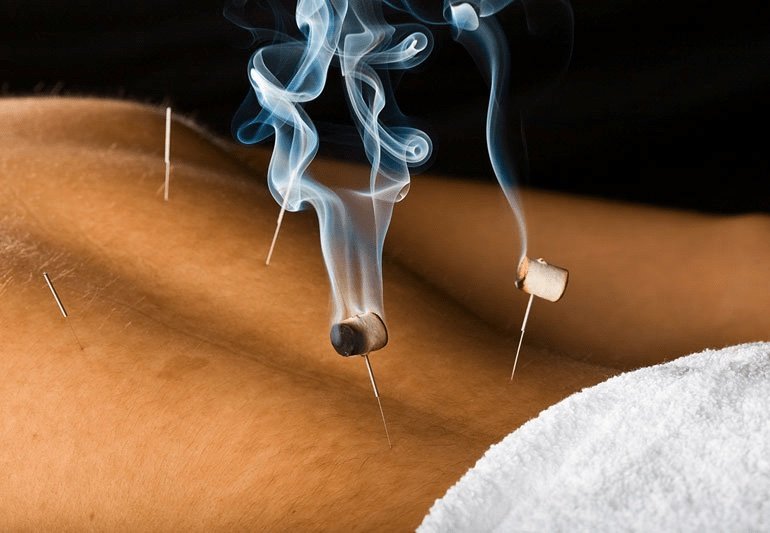 Needle moxibustion: choosing the right equipmentRead more
Needle moxibustion: choosing the right equipment The warm-needle technique (needle moxibustion) rests on a balance...
-
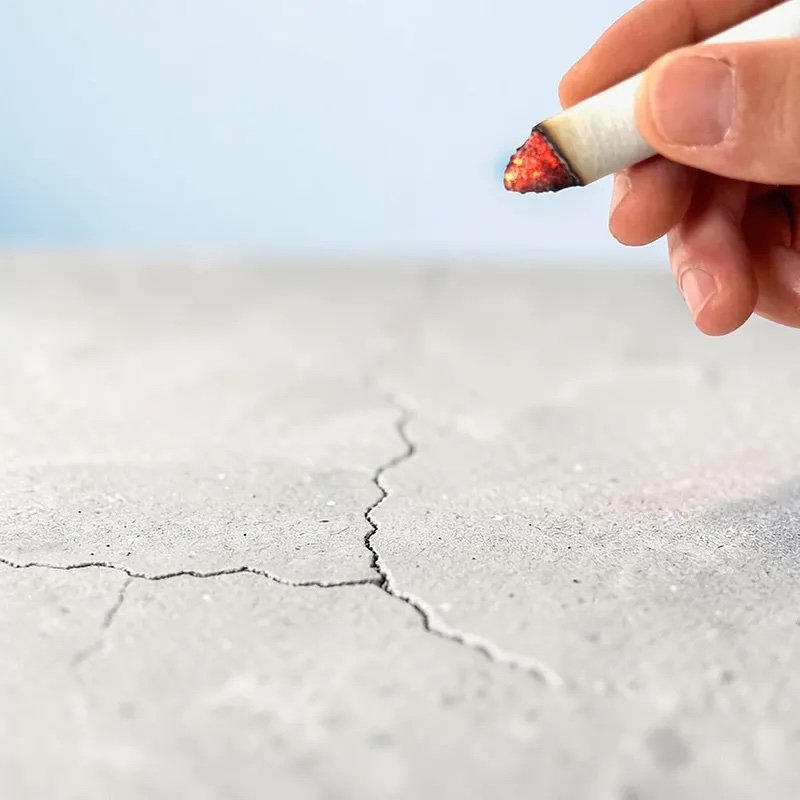 How to practise moxibustion at homeRead more
Moxibustion is a technique from Traditional Chinese Medicine (TCM) that involves stimulating precise points on the...
-
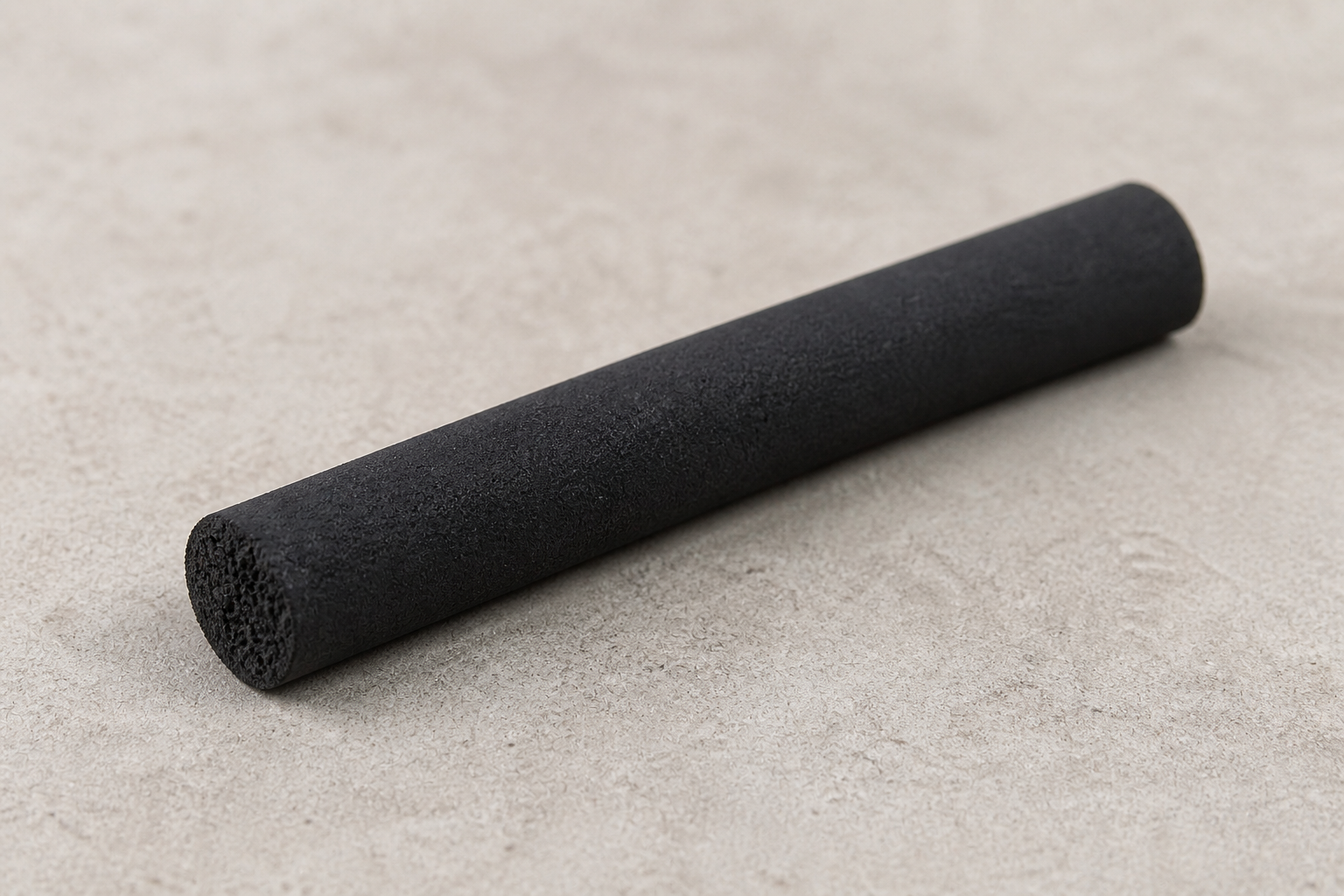 Smokeless moxa: why it is less effective than traditional moxaRead more
Why we do not recommend smokeless moxa Therapeutic efficacy and a coherent choice Smokeless moxa is today widely...
Blog categories
Search in blog
Archived posts
Introduction to moxibustion techniques
Introduction to moxibustion techniques
Moxibustion is practised using several techniques. Some are simple and can be performed easily, while others require training at a school of acupuncture or Chinese medicine. It should be noted that not all schools teach the same methods, and some may differ depending on traditions (Chinese, Japanese, Korean, etc.).
You will find examples of applications for common and minor ailments in our booklet dedicated to the practice of moxibustion.
Important warnings
Moxibustion techniques carry risks of burns if not properly mastered.
Pregnant women: certain points and areas of the body (particularly the abdomen and sacrum) are strictly contraindicated during pregnancy, and especially in the case of a precious pregnancy. Consulting a qualified practitioner is essential.
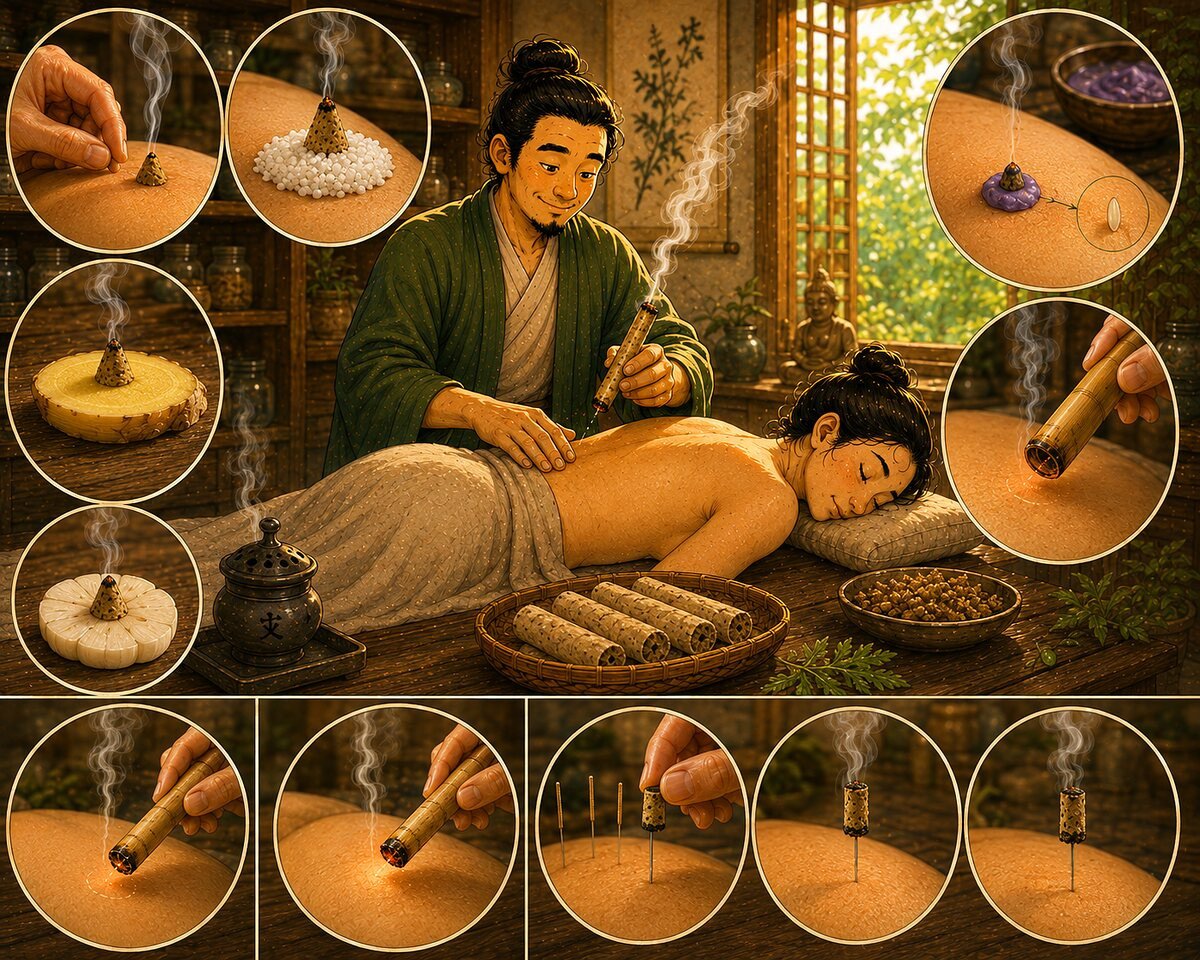
I. Moxibustion with mugwort cones
(Our products for practising these techniques: Purified tow EP50 or Pre-ground mugwort of 21 June EC21)
1. Direct moxas
Without scarring:
A small mugwort cone is placed directly on the skin.
It is lit, then removed as soon as the heat becomes intense.
The operation is repeated 3 to 5 times, until slight local redness appears.
With scarring:
This ancient technique (where the cone is left to burn down to cause a burn) is no longer used today for safety and ethical reasons.
2. Indirect moxas
These techniques use a support between the skin and the mugwort cone.
On coarse salt:
Mainly applied to the navel.
The navel is filled with coarse salt, on which the cone is placed.
Remove it as soon as the heat becomes too intense.
Repeat 3 to 5 times.
On a slice of ginger:
A slice approximately 3 to 4 mm thick (like a 2-euro coin).
Ginger has an additional stimulating and warming effect.
On a slice of garlic:
Same procedure as ginger, with a more purifying effect.
On aconite root (Fu Zi):
Mentioned for historical reference only, as aconite is a highly toxic plant and is prohibited for therapeutic use today.
II. Japanese moxibustion
(A separate category)
Okyu technique:
Tiny cones, the size of a grain of rice, are fixed to the skin using a special cream (moxa paste or Shiunko cream).
This method allows for fine and progressive stimulation.
Ontake technique:
Moxa is inserted into a bamboo tube, lit, then the tube is tapped or rolled along the skin.
The effect is both warming and massaging, without risk of burns.
III. Moxibustion with mugwort sticks
(Standard moxa sticks and Small-diameter moxa sticks)
Gentle moxibustion:
The stick is lit and held approximately 5 cm from the skin, making small circles or pecking movements.
The heat should be pleasant and penetrating, without burning.
This method is often associated with tonification (even if this tonification/dispersion distinction is not universally recognised for moxibustion).
Strong moxibustion:
The stick is well incandescent, with ash regularly removed.
It is brought to 2 to 3 cm from the skin until the patient feels a sting of heat, then moved away.
Repeat several times.
This method is more used with a view to dispersion.
IV. Warm needle
(Mini Moxa Rolls M1, Mini Moxa Rolls M2, Mini Moxa Rolls M3 and Purified tow EP50)
An acupuncture needle is inserted at the chosen point, then a small moxa cone is placed at the top of the needle handle.
It is lit (often using an incense stick) and left to burn for approximately 2 minutes before removal.
Repeat 3 to 5 times as needed.
This technique is particularly effective for joint pain, rheumatic conditions and "Bi Zheng" syndromes (blockages due to cold and dampness, according to Chinese medicine).
Posted in:
Default category
Related posts
-
How to practise moxibustion at home
Moxibustion is a technique from Traditional Chinese Medicine (TCM) that involves stimulating precise points on the...Read more
-
Needle moxibustion: choosing the right equipment
Needle moxibustion: choosing the right equipment The warm-needle technique (needle moxibustion) rests on a balance...Read more
-
Moxibustion: Summer or Winter, When Should You Really Practise?
As a moxa retailer, I notice a spike in orders every winter — even though the classical texts of Chinese medicine...Read more
-
Moxibustion for insomnia
Shi Mian and An Mian 4, two little-known points to warm with a moxa stick in the evening to re-anchor the yang and...Read more
-
Moxibustion on Yong Quan (KI 1) to guide the fire back to its source
How can heat be treated by adding fire? An article from the Chengdu University of Chinese Medicine explains the...Read more
Leave a comment