






As a moxa retailer, I notice a spike in orders every winter — even though the classical texts of Chinese medicine...
Latest posts
-
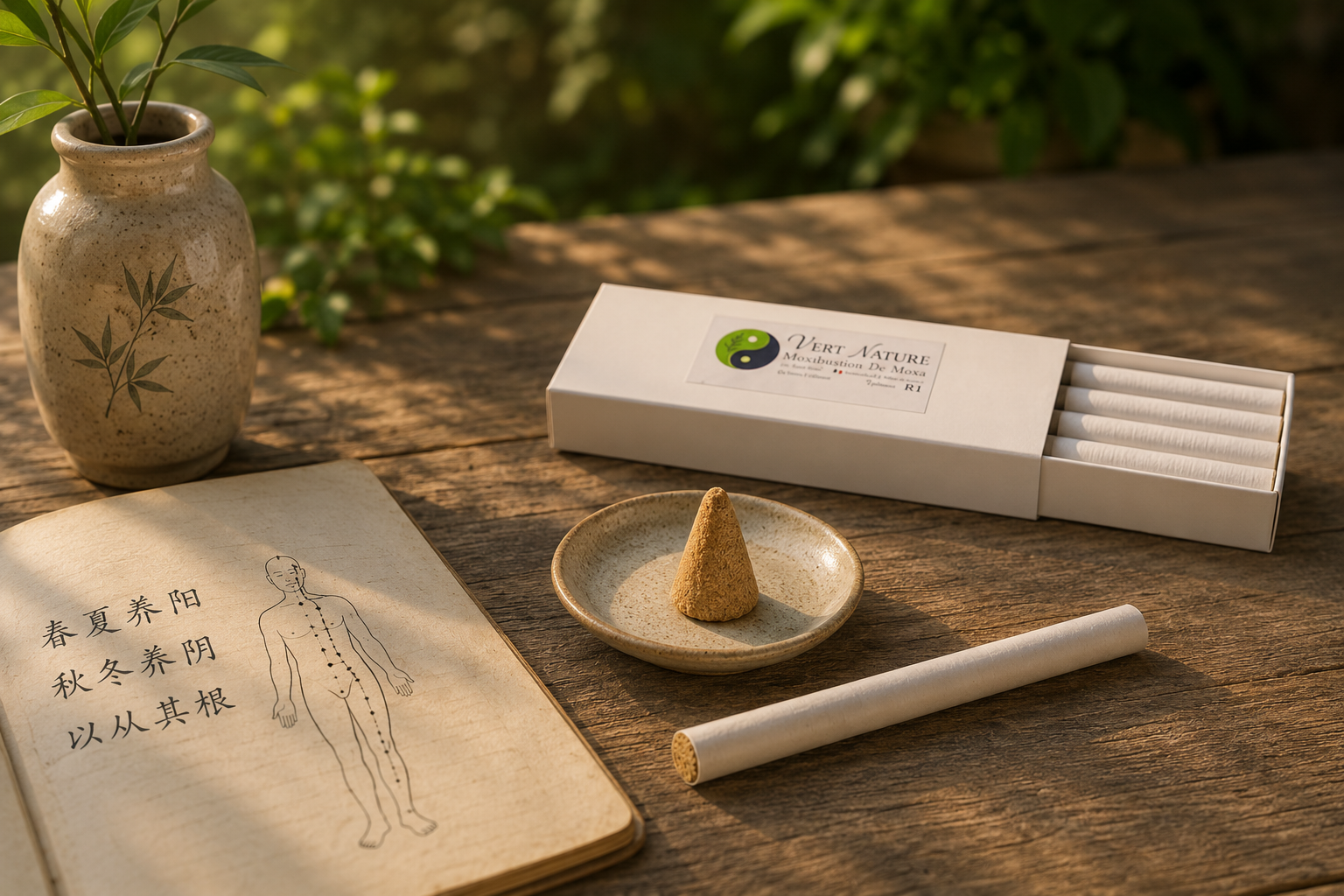 Moxibustion: Summer or Winter, When Should You Really Practise?Read more
 -
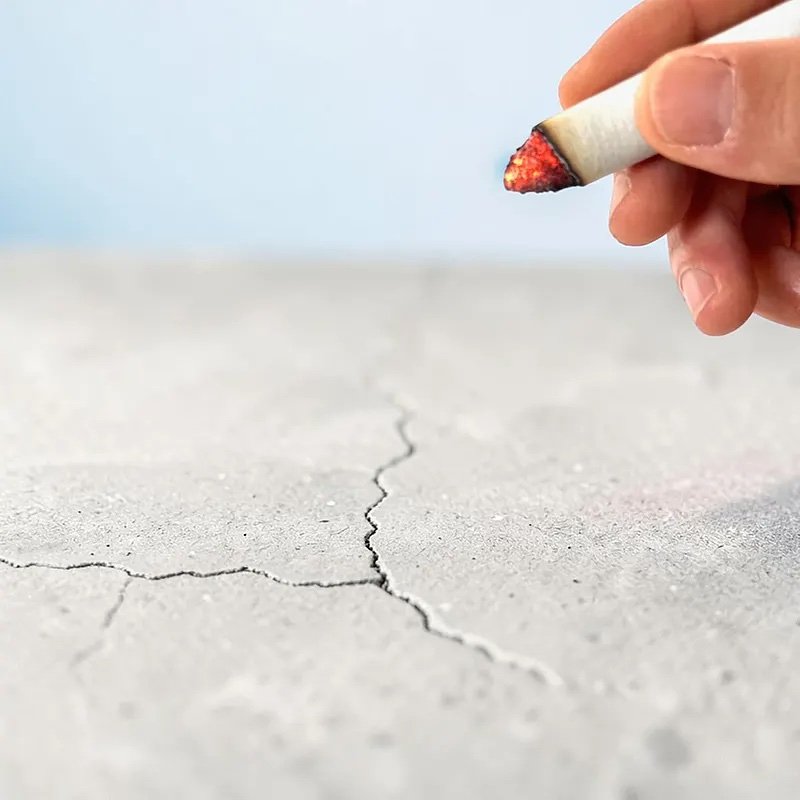 Introduction to moxibustion techniquesRead more
Introduction to moxibustion techniques Moxibustion is practised using several techniques. Some are simple and can be...
-
 Safety of moxa smokeRead more
Moxa smoke: understanding scientific data without confusion Moxibustion involves the combustion of dried mugwort...
-
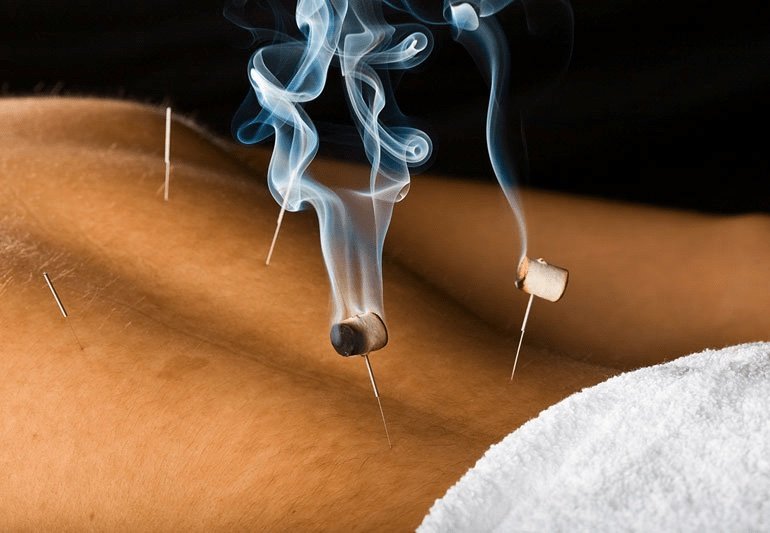 Needle moxibustion: choosing the right equipmentRead more
Needle moxibustion: choosing the right equipment The warm-needle technique (needle moxibustion) rests on a balance...
-
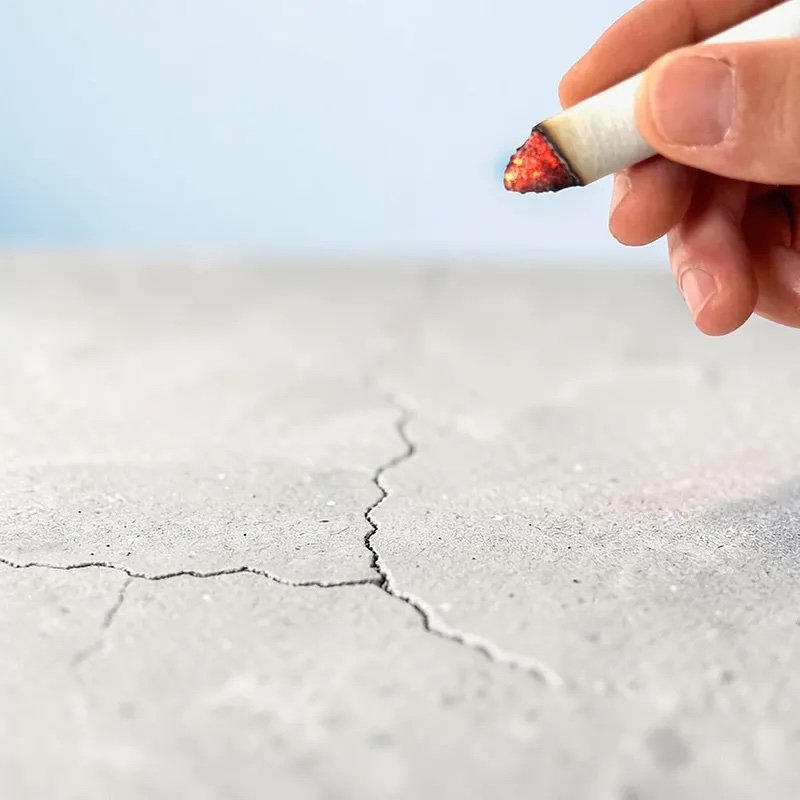 How to practise moxibustion at homeRead more
Moxibustion is a technique from Traditional Chinese Medicine (TCM) that involves stimulating precise points on the...
-
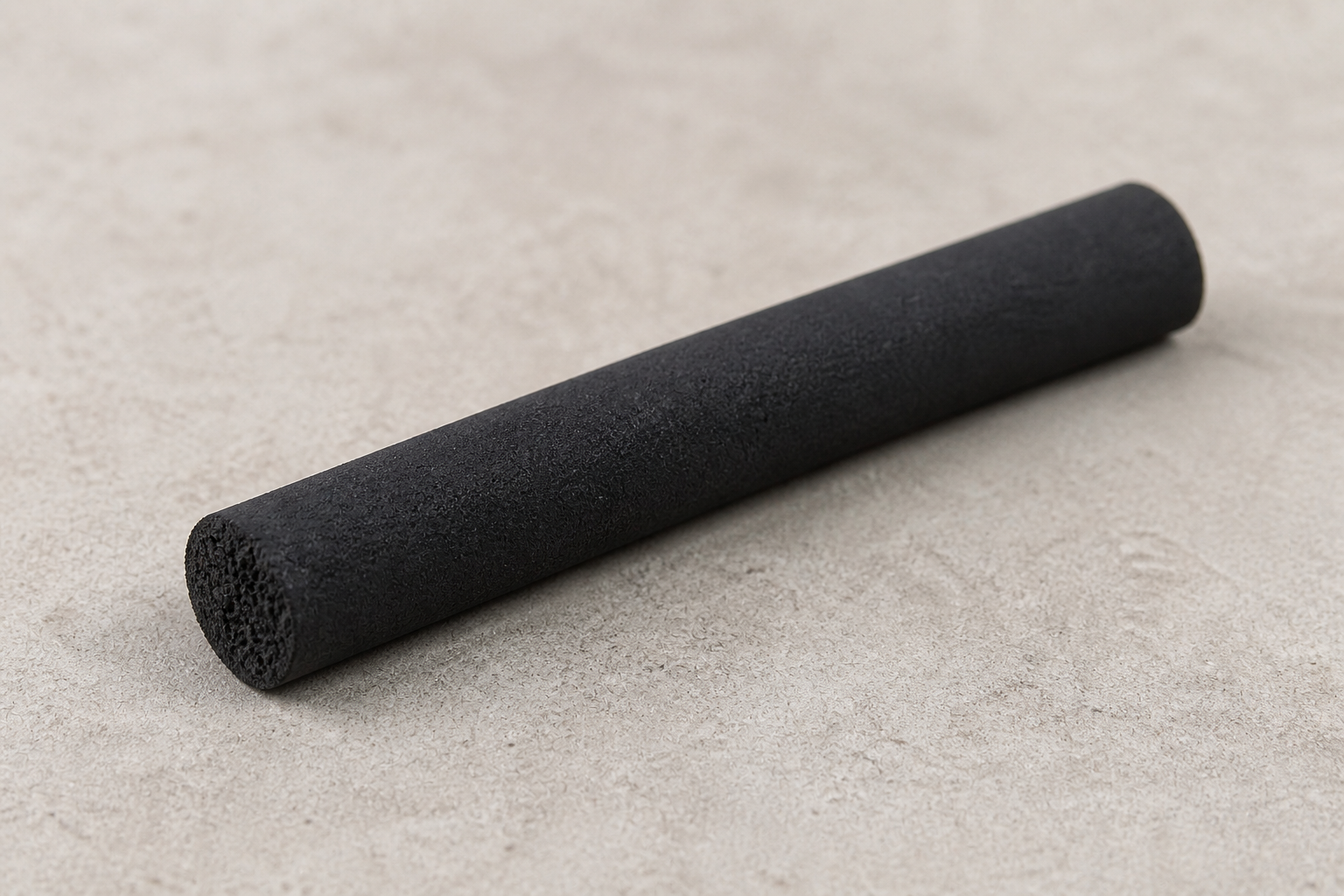 Smokeless moxa: why it is less effective than traditional moxaRead more
Why we do not recommend smokeless moxa Therapeutic efficacy and a coherent choice Smokeless moxa is today widely...
Blog categories
Search in blog
Archived posts
Moxibustion: Summer or Winter, When Should You Really Practise?
The Sales Paradox
When consulting the great classics of Chinese medicine, one certainty seems to emerge: summer is the ideal season for practising moxibustion. The Huangdi Neijing teaches us to "nourish Yang in spring and summer", and the famous strategy of Dongbing Xia Zhi (treating winter diseases in summer) is well documented.
Yet, as a moxa seller, our on-the-ground observation is the opposite: orders surge in winter, when the cold sets in and pain returns, while sales are much quieter in summer.
Summer, however, offers ideal conditions: windows can be opened, and sessions can even be done outdoors in the shade. A great opportunity for a deep cure — as long as heatwaves and wind are avoided.
This paradox – summer in theory, winter in practice – is not a contradiction. It simply reveals two different uses: a preventive and curative use (summer) and a maintenance and symptomatic use (winter). Let us look at what the original Chinese texts say, and then how the daily cycle extends this logic.
1. What the Chinese Classics Say
The Huangdi Neijing: Grounding Practice in the Seasons
The Suwen (chapter Siqi Tiaoshen Da Lun) states:
« 春夏养阳,秋冬养阴,以从其根 »
« Nourish Yang in spring and summer, nourish Yin in autumn and winter, to align with the root. »
In summer, celestial yang qi is at its peak; the body's yang rises to the surface and the pores are open. This is the favourable moment to strengthen yang and expel cold-type pathogens.
The Lingshu: A Winter Indication
The Lingshu (chapter 19, Sishi Qi – 四时气) specifies for acupuncture:
« 冬取井荥,必深以留之 »
« In winter, needle the Jing and Ying points, deeply and with prolonged retention. »
Although referring to needling, the logic also applies to moxibustion: in winter, yang is withdrawn inward. If moxibustion is used, it is done more gently and deeply, to support without dispersing.
Caution Against Extremes: A Traditional Maxim
A maxim often cited in Chinese medical literature advises:
« 天寒无刺,天温无灸 »
« In great cold, avoid acupuncture; in great heat, avoid moxibustion. »
This rule does not mean "never use moxibustion in summer". Its origin (in the Suwen, chapter Ba Zheng Shen Ming Lun) indicates rather that acupuncture is less effective in cold weather, and moxibustion less necessary in hot weather since yang already circulates freely. It is a warning against climatic excesses, not an absolute prohibition.
Sun Simiao (Qian Jin Yao Fang): Preventive Moxibustion
Sun Simiao, the great physician of the Tang dynasty, is famous for:
« 上医治未病之病 »
« Great physicians treat illness before it appears. »
He advocates moxibustion in summer to prepare the body for winter, laying the foundations of seasonal prevention.
Ge Hong (Zhou Hou Bei Ji Fang): Early Witness to Indirect Moxibustion
Ge Hong (4th century) did not theorise the Dongbing Xia Zhi, but his Zhou Hou Bei Ji Fang contains one of the earliest detailed descriptions of indirect moxibustion (using garlic, ginger or salt). These techniques soften the heat, reduce the risk of burns, and are particularly suited to summer practice.
Zhang Lu (Zhangshi Yitong, Qing): Contribution to the Sanfu
The practice of the three canicular periods (Sanfu, 三伏) predates the Qing dynasty (traces dating back to the Northern and Southern dynasties). During the Qing, Zhang Lu contributed to its formalisation and dissemination in his Zhangshi Yitong, combining moxa with herbal patches applied to the skin. This is the current reference for Dongbing Xia Zhi.
Scientific validation — The Center for Evidence-Based Chinese Medicine at the Beijing University of Chinese Medicine published in 2016 a survey of 949 patients who received Sanfu therapy (application of herbal patches at acupoints during the hottest summer days). The results confirm the clinical effectiveness of this preventive summer approach, with a satisfaction rate of 72.7% — thus validating, in practice, the principle of Dongbing Xia Zhi.
University source — The Shanghai University of Traditional Chinese Medicine (SHUTCM), one of the world's leading authorities on TCM, dedicates an article to the practice of summer moxibustion during the Sanfu period. It describes how the treatment strengthens the body's Yang and eliminates accumulated cold, confirming its effectiveness for joint pain, respiratory, digestive and gynaecological disorders.
→ Shanghai University of Traditional Chinese Medicine — Acupuncture-moxibustion treatment in summer
2. Untangling the Paradox: Winter Maintenance vs Summer Cure
In Winter: Maintenance Moxibustion
In winter, the cold attacks: joint pain, lower back pain, painful periods, slow digestion. Moxibustion acts as support:
- It warms the meridians (温经散寒),
- It relieves acute symptoms,
- It limits the impact of cold on a weakened yang.
This is a reactive and symptomatic use, which explains winter purchasing peaks: an immediate need for warmth.
In Summer: Curative and Preventive Moxibustion
In summer, the body's yang is at its maximum. Moxibustion no longer merely relieves; it treats the root:
- Strengthening yang to resist future winters,
- Expelling chronic cold (arthritis, cold asthma, morning diarrhoea),
- Acting on the terrain, not the symptoms.
This is the essence of Dongbing Xia Zhi. For the patient, it is less urgent than relieving winter pain, but deeper and more lasting.
In summary:
Winter = maintenance moxibustion (limiting the impact of cold).
Summer = curative and preventive moxibustion (treating the cause).
3. The Parallel with the Daily Cycle: Morning and Noon, Like Spring and Summer
Chinese medicine applies the same logic to the day as to the year. In the year, yang is born in spring, reaches its peak in summer, then declines. During the day, yang is born in the morning, reaches its peak at noon, then declines.
| Annual cycle | Daily cycle | State of yang |
|---|---|---|
| Spring | Morning (sunrise – 11am) | Birth, growth |
| Summer | Noon (11am – 1pm) | Peak |
| Autumn | Afternoon (1pm – 5pm) | Decline |
| Winter | Evening (5pm – 11pm) | Withdrawal, storage |
To strengthen yang (prevention, cure), the best times are when yang is in its ascending phase or at its peak:
- In the year: spring and summer (especially summer, the Sanfu period).
- During the day: morning (9am–11am) and noon (11am–1pm).
Conversely, using moxibustion in winter or in the evening is more of a maintenance or symptomatic relief approach: supporting a withdrawn yang, without the benefit of its natural momentum.
Warning: performing moxibustion in the evening can stimulate energy and disrupt sleep. If you are prone to insomnia or sensitive to stimulation, limit evening sessions and prefer morning or daytime practice.
4. What to Do During a Heatwave?
During exceptional heat (heatwave > 35°C), the maxim « 天温无灸 » makes perfect sense: avoid moxibustion to prevent exhausting yin, avoid discomfort and reduced effectiveness.
Recommended approach:
- Avoid days of very intense heat (≥ 35°C).
- Prefer cooler hours (early morning or evening).
- In normal summer weather, moxibustion is not only permitted but recommended.
5. Modern Precautions and Contraindications
For safe practice, avoid moxibustion in the following cases:
- High fever or acute heat-type inflammation,
- Sensory neuropathy (advanced diabetes, loss of sensation),
- Severe circulatory disorders,
- Damaged skin (wounds, eczema, burns),
- Pregnancy (certain abdominal and lumbar points),
- Exhausted Yin state with internal heat (thirst, night fever, rapid pulse).
If in doubt, consult a qualified practitioner.
6. The Fundamental Therapeutic Principle: « 寒者热之 »
The Huangdi Neijing states the rule:
« 寒者热之 »
« Cold is treated with heat. »
Summer moxibustion applies this principle: using ambient natural heat as an ally to dislodge chronic cold. The body, in summer, is receptive and open. Therapeutic heat harmonises with the heat of the sky.
Conclusion – Two Seasons, Two Uses, One Wisdom
The sales paradox is only apparent. It reminds us of a fundamental truth: moxibustion does not have a single right moment, but several moments suited to different goals.
| Season / Time | Goal | Type of care |
|---|---|---|
| Summer / Morning–noon (9am–1pm) | Prevent and treat the root | Deep cure, Dongbing Xia Zhi |
So, whether you are a practitioner or an individual:
- Practise a summer cure (a few sessions during the Sanfu, preferably in the morning or at noon) to prepare for winter.
- Use moxibustion in winter to calm cold-related pain.
- Avoid extreme heatwaves.
- Respect modern contraindications.
Chinese medicine is not a collection of prohibitions, but an art of adapting to the rhythms of nature and the needs of each individual.
Posted in:
Default category
Related posts
-
How to practise moxibustion at home
Moxibustion is a technique from Traditional Chinese Medicine (TCM) that involves stimulating precise points on the...Read more
-
Needle moxibustion: choosing the right equipment
Needle moxibustion: choosing the right equipment The warm-needle technique (needle moxibustion) rests on a balance...Read more
-
Introduction to moxibustion techniques
Introduction to moxibustion techniques Moxibustion is practised using several techniques. Some are simple and can be...Read more
Leave a comment
Comments
Moxibustion l'été
By: Corinne saffache On 2026-05-26Merci pour cet article documenté et très à propos !