
Is your baby still breech as your due date approaches? Moxibustion of point BL-67, on the little toe, helps it turn....
Tout
Latest posts
-
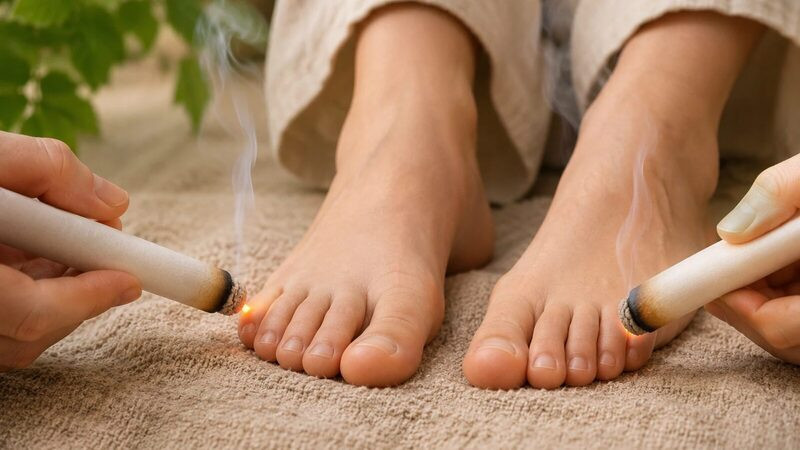 Moxibustion for a breech baby: how to turn your baby with moxaRead more
-
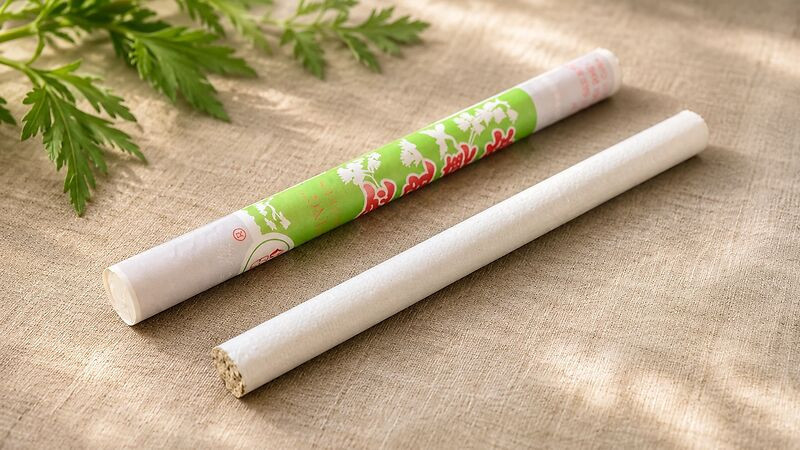 French moxa or Chinese moxa: what is the difference?Read more
Most industrial moxa comes from China, but its origin is not the problem. An investigation by the Wenhui Bao, a...
-
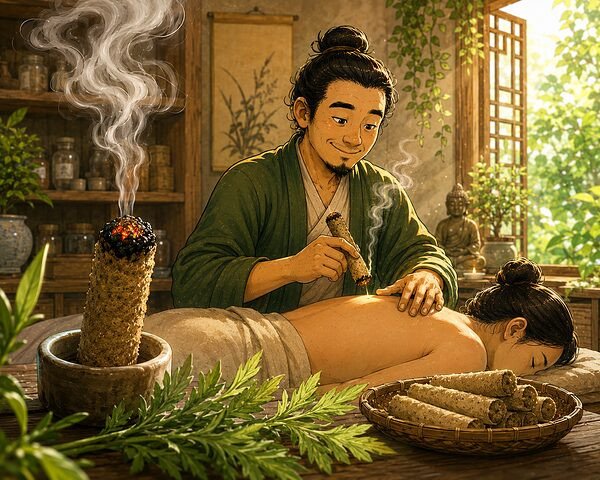 Moxibustion on Yong Quan (KI 1) to guide the fire back to its sourceRead more
How can heat be treated by adding fire? An article from the Chengdu University of Chinese Medicine explains the...
-
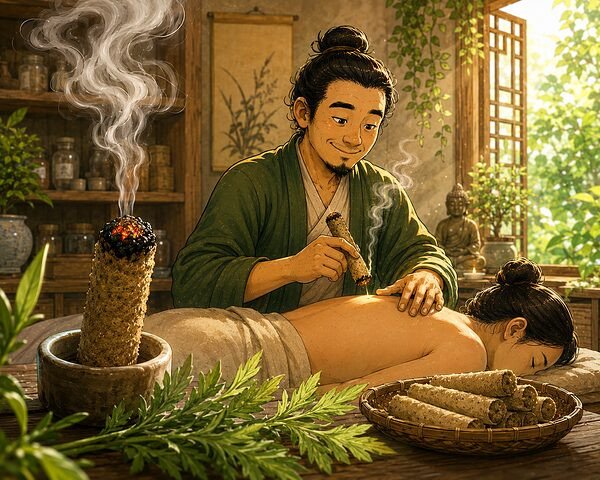 Moxibustion for insomniaRead more
Shi Mian and An Mian 4, two little-known points to warm with a moxa stick in the evening to re-anchor the yang and...
-
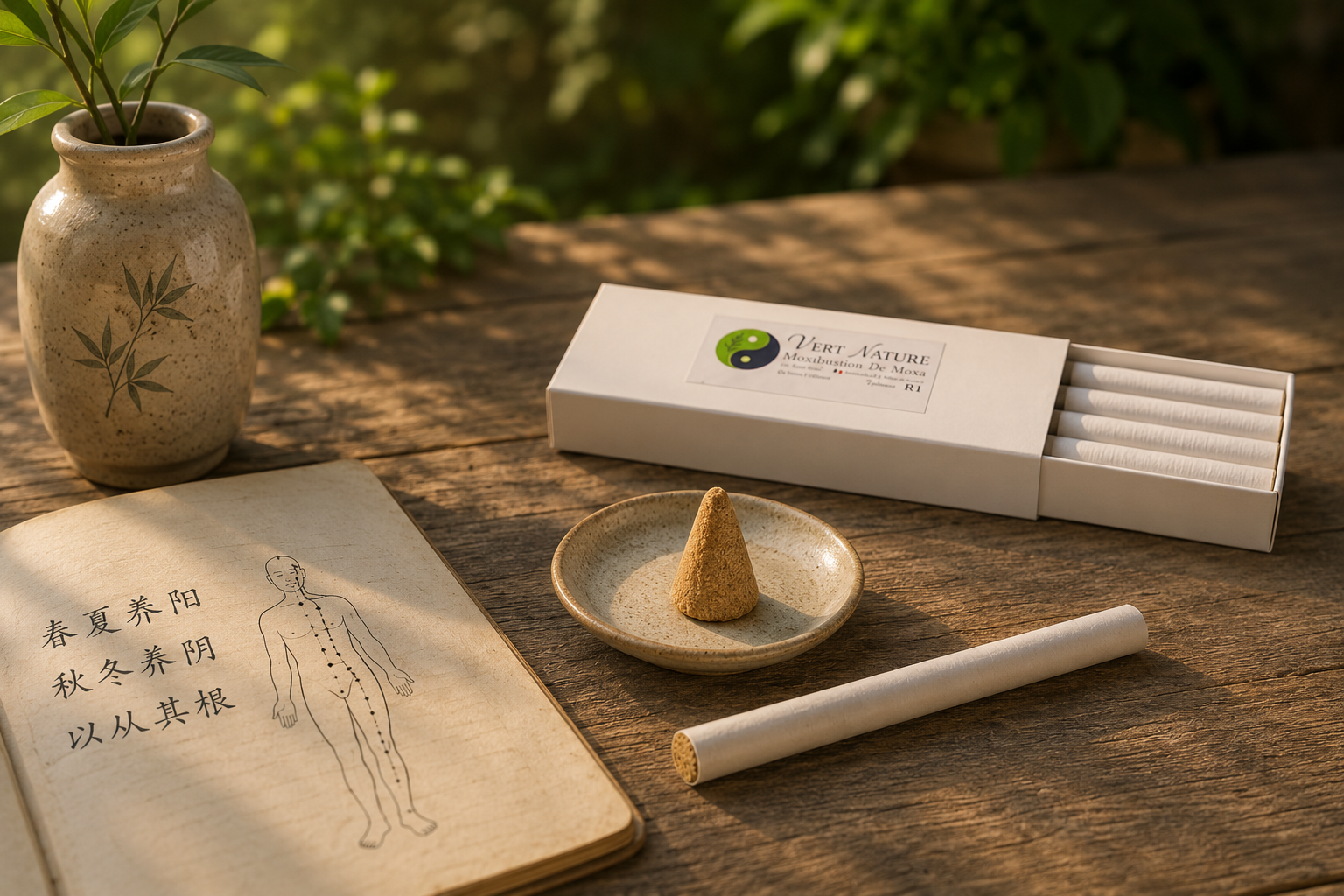 Moxibustion: Summer or Winter, When Should You Really Practise?Read more
As a moxa retailer, I notice a spike in orders every winter — even though the classical texts of Chinese medicine...
-
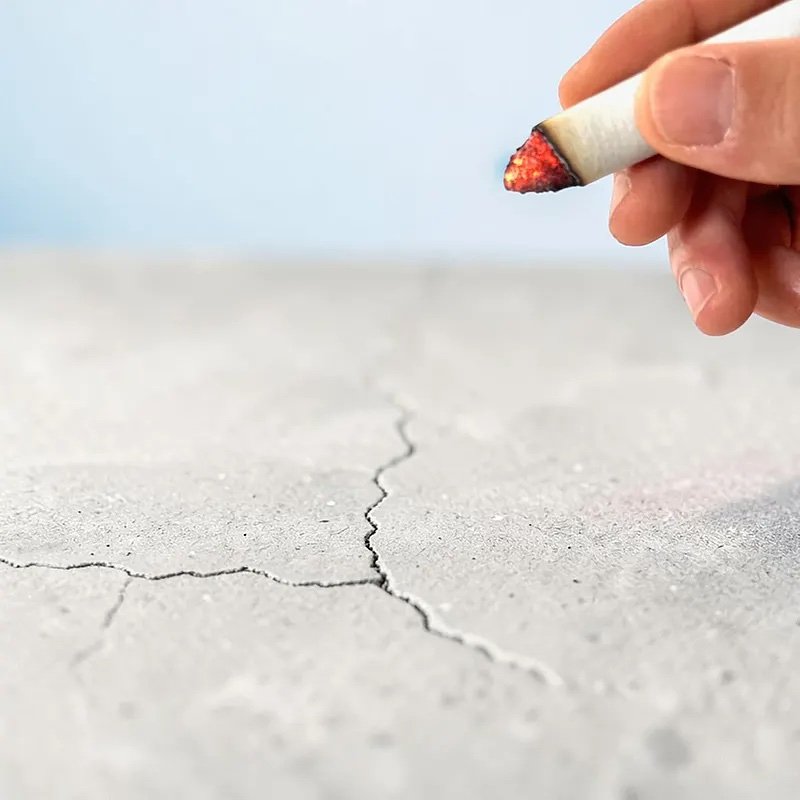 Introduction to moxibustion techniquesRead more
Introduction to moxibustion techniques Moxibustion is practised using several techniques. Some are simple and can be...
-
 Safety of moxa smokeRead more
Moxa smoke: understanding scientific data without confusion Moxibustion involves the combustion of dried mugwort...
-
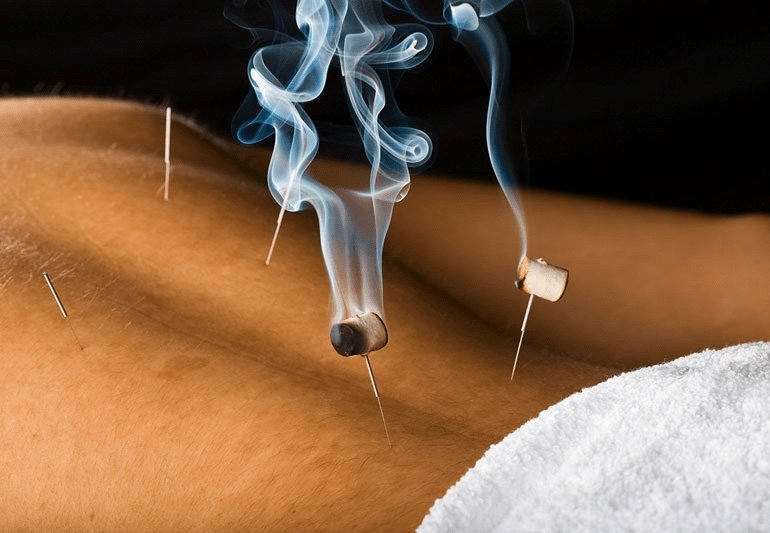 Needle moxibustion: choosing the right equipmentRead more
Needle moxibustion: choosing the right equipment The warm-needle technique (needle moxibustion) rests on a balance...
-
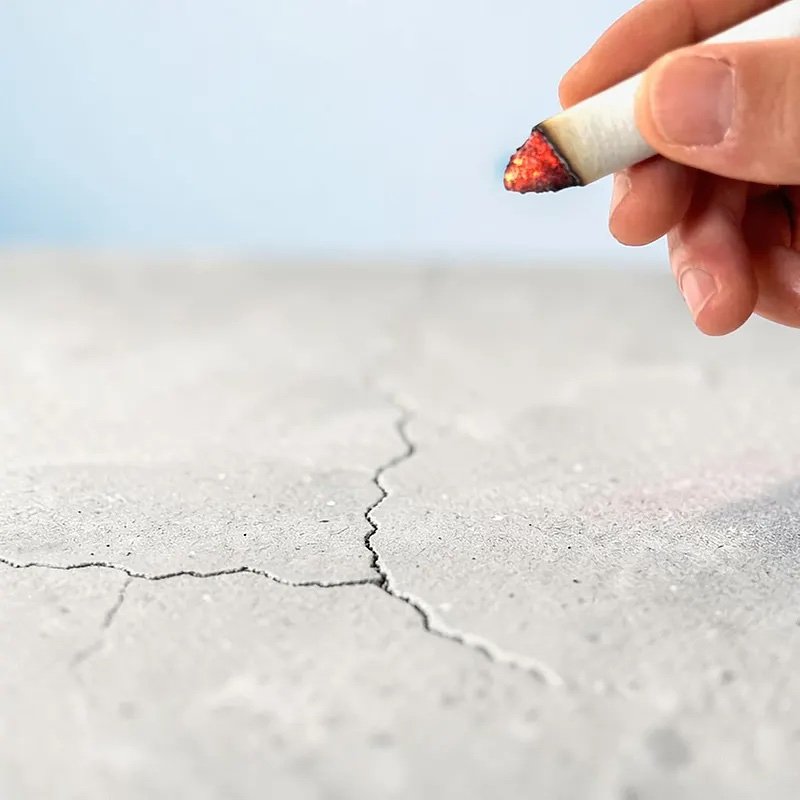 How to practise moxibustion at homeRead more
Moxibustion is a technique from Traditional Chinese Medicine (TCM) that involves stimulating precise points on the...
-
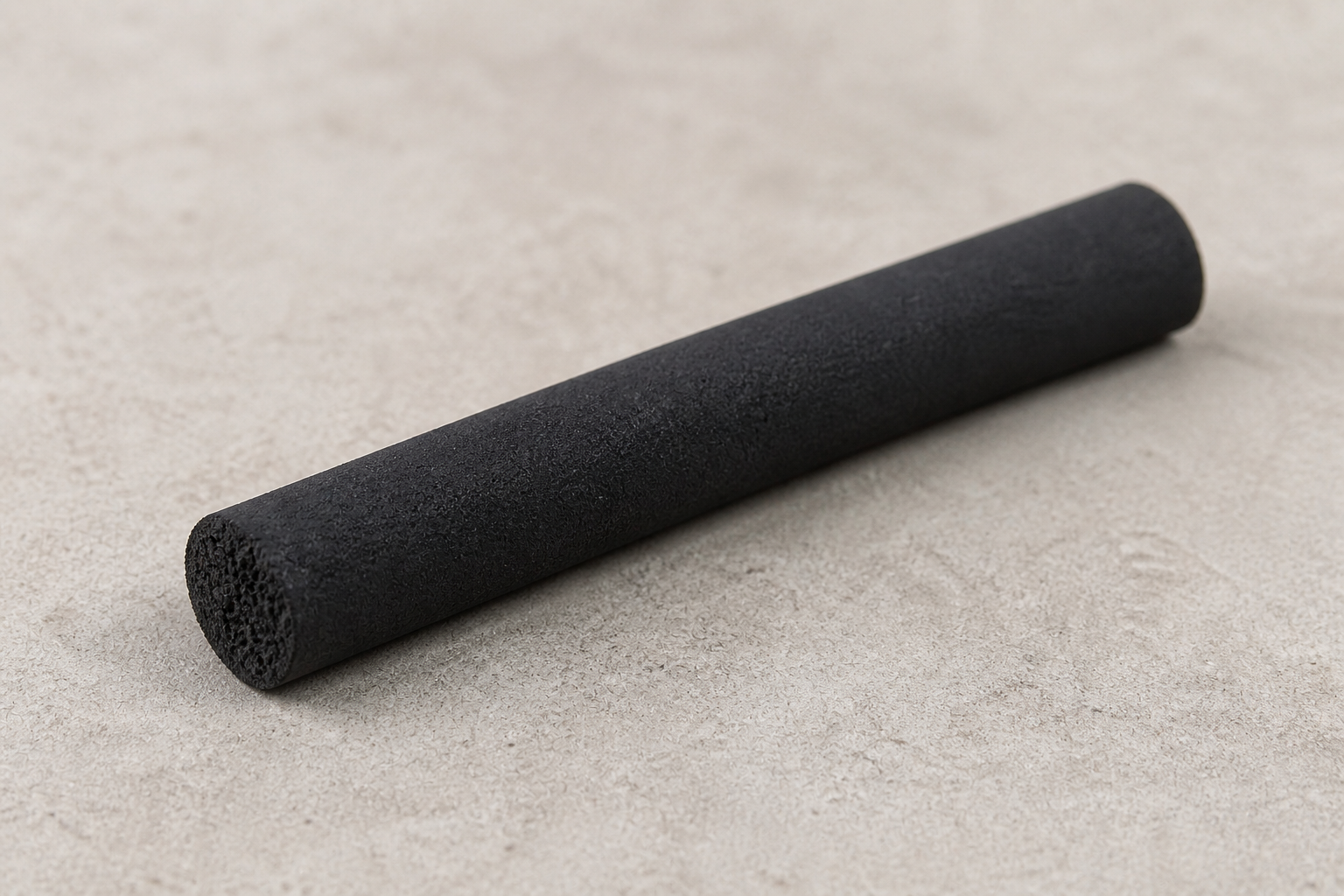 Smokeless moxa: why it is less effective than traditional moxaRead more
Why we do not recommend smokeless moxa Therapeutic efficacy and a coherent choice Smokeless moxa is today widely...
Blog categories
Search in blog
Archived posts

French moxa or Chinese moxa: what is the difference?
French moxa or Chinese moxa: what is the difference?
Let us clear up any ambiguity from the outset: this article has nothing against moxa because it is Chinese. Moxibustion was born in China, its founding texts are Chinese, and it is there that the practice has been handed down for more than two thousand years. We owe it everything.
But we need to distinguish two things that are often confused: the geographical origin of a moxa and the way it is made. Today, most of the industrial moxa sold around the world comes from China, simply because China is by far the largest producer of mugwort and mugwort products. So it is not "Chinese" that raises questions, it is "industrial".
There are very probably artisanal producers in China who harvest, dry and process mugwort with care, and whose moxa is excellent. The real question lies elsewhere: does their production ever reach Europe? Between a small Chinese workshop and a European practitioner there are wholesalers, importers and online marketplaces, and at every stage the same logic of volume and price. One may well doubt that this is the moxa sold online for a few euros a box.
We are not alone in this observation. On 6 March 2026, the Wenhui Bao, a major Shanghai daily newspaper, published an investigation by Tang Wenjia and Zhang Feiya, republished by the news site Shangguan News, into the moxa sticks sold online in China. Its title, translated: "The 'gold moxa' sold online was actually dyed yellow, foot-bath sachets exceed mould limits: is looking after your health at home 'toxic'?"
The starting point was a video by a Chinese blogger who specialises in product testing. His team bought some of the best-selling moxa sticks online, then went undercover in manufacturing plants. The conclusion, according to the newspaper: these "pure, aged mugwort sticks" were neither aged nor pure.
Here is what the investigation reports:
- once the sticks were broken open, the inside contained black particles, hard coarse stalks, and impurities resembling cardboard;
- some manufacturers use the "whole plant": the mugwort is ground up with its leaves and stems, then sold as material made from leaves;
- others add dust and residues from the carding workshop to the mugwort wool to cut costs;
- dyeing is described by an industry insider as an "open secret": a yellow powder is added to poor-quality mugwort wool to give it the colour of aged mugwort, so that it can be sold as "gold moxa";
- all 15 samples sent to a laboratory by the blogger's team exceeded bacterial limits; 9 contained the pathogenic bacterium Pseudomonas aeruginosa, and 2 contained coliforms.
Interviewed by the newspaper, Ni Lianghong, head of the pharmacognosy department at the Shanghai University of Traditional Chinese Medicine, explains that these impurities are not just a matter of cheating on quality. The more impurities a stick contains, the less completely it burns, and the more likely it is to release harmful gases such as formaldehyde. The chemical fragrances added to mask unpleasant odours, and the dyes, are also inhaled with the smoke. She also points out that badly stored moxa can develop mould, and that a stick low in mugwort wool heats less deeply: it is therefore also less effective.
Industrial moxa is recognisable less by its country of origin than by the way it is produced:
- mugwort from intensive cultivation, harvested mechanically;
- little or no sorting between leaves and stems;
- accelerated drying in ovens rather than in the open air;
- raw material that changes hands several times between the field and the finished stick, without anyone really knowing its history;
- constant pressure on prices, which encourages replacing the leaf with cheaper materials.
By contrast, artisanal moxa, whether Chinese, Japanese, Korean or European, relies on a short supply chain: you know who harvested the mugwort, when, and how it was dried and processed.
Ageing and colour: two very marketing-driven arguments
On boxes of imported moxa, two arguments come up again and again: ageing ("3-year mugwort", "5 years", sometimes "10 years") and colour ("gold moxa"). A ratio is often added, such as "15:1" or "40:1", supposed to indicate how many kilos of leaves were needed to obtain one kilo of mugwort wool.
The problem is that none of these claims can be checked by the buyer, and no standard governs them:
- there is no way of knowing, when you open a box, how long ago the mugwort was harvested;
- a printed ratio is checked by no one; nothing distinguishes a genuine "40:1" from a figure printed because it sells;
- colour, which is precisely used as a visual indicator of ageing and refinement, is the easiest to fake: the Wenhui Bao investigation shows that a simple yellow powder is enough to turn mediocre wool into "gold moxa".
In other words, the colour of a moxa is the result of refining work, never proof of quality in itself. And an ageing claim without traceability is nothing more than a sales pitch. When a single product combines "5 years", "gold", "40:1" and a very low price, there is good reason to be wary.
Why these products slip through the net
The Wenhui Bao investigation highlights an important point: in China, these products are classified as everyday or wellness items, not as medicines. Their manufacturers therefore do not have to provide test reports or quality systems comparable to those of the pharmaceutical industry. For consumers, having a box of moxa analysed costs far more than the box itself, so almost nobody does it.
In Europe, the situation is hardly different: there is no specific standard governing the composition of a moxa stick. What the packaging says rests above all on the seller's word.
How to recognise poor-quality moxa
In the same article, Ni Lianghong gives a few simple tips, which we have taken up and supplemented:
- look at the packaging: the information on the product and its origin should be complete and precise;
- smell the moxa: good moxa has a warm, gentle herbal scent, never sour, mouldy or artificially perfumed;
- watch it burn: very acrid or pungent smoke, or an ember that keeps going out or crackles, are bad signs;
- be wary of abnormally low prices and of products pushed in bulk on marketplaces or in live-stream sales.
Chinese, Japanese or French mugwort: the same plant?
Chinese moxa is mainly made from Artemisia argyi, but also from Artemisia vulgaris or Artemisia verlotiorum. Japanese moxa comes from Artemisia princeps. These species belong to the same botanical genus, Artemisia, and are very closely related. All of them are perfectly suited to making moxa: each has been used for centuries in its own region for moxibustion. Not every mugwort is suitable, however: annual wormwood (Artemisia annua), for example, is cold in nature in the Chinese materia medica and has no place in moxibustion.
The differences between species do exist, but they are often smaller than those between two plants of the same species grown on different soils. A plant's chemotype, that is, the composition of its essential oils and aromatic compounds, varies considerably with its terroir: the nature of the soil, the climate, sunshine, altitude or the time of harvest.
It is often said that what grows in your garden is good for you. A plant that has grown in the same climate, on the same soil and to the rhythm of the same seasons as we have would be more in tune with our own nature. One may therefore legitimately ask: would a mugwort grown in Europe not be better suited to the constitution of a European than a mugwort from the other side of the world?
What really matters: traceability
So the right question is not "Chinese or not Chinese?", but "do I know where this moxa comes from and how it was made?". An artisanal Chinese moxa whose producer is known will always be better than an industrial moxa with unverifiable promises, whatever its origin.
At Vert Nature, we have chosen a supply chain that we control entirely: our moxas are made from wild mugwort leaves, hand-picked in Occitanie (southern France) at the summer solstice, dried naturally in the open air, then processed in our workshop. Our different grades of loose moxa are classified according to their degree of sieving, that is, according to the work actually carried out on the material, and not according to an age or a colour that nobody could verify. You can discover each step on our Tradition and ethics page.
This is the supply chain we offer in our moxa sticks, made in our workshop in Teyran since 1985.
To go further, you can also read our articles on moxa smoke and on smokeless moxa.
Source: Tang Wenjia and Zhang Feiya, Wenhui Bao, published by Shangguan News on 6 March 2026; article republished on qinbei.com.
Posted in:
Choosing your moxa
Related posts
-
Safety of moxa smoke
Moxa smoke: understanding scientific data without confusion Moxibustion involves the combustion of dried mugwort...Read more
-
Smokeless moxa: why it is less effective than traditional moxa
Why we do not recommend smokeless moxa Therapeutic efficacy and a coherent choice Smokeless moxa is today widely...Read more
Leave a comment